Build a Capsule That Works in Sun and Snow

Today, we dive into “Year-Round Occasion Capsule: Summer and Winter Suit Strategies”—a practical, stylish roadmap for building a flexible wardrobe that carries you from sunlit garden ceremonies to candlelit winter receptions. Expect fabric guidance, color logic, layering tricks, and real stories that help you look sharp, stay comfortable, and travel confidently all year. Share your questions as you read, and let’s tailor this journey to your calendar and lifestyle together.

Fabric Foundations for Heat and Frost

Choosing the right fabric determines whether you glide through a humid reception or stay warm at a snowy gala without sacrificing elegance. Understand fiber, weave, and weight so your capsule relies on breathable summer options and insulating winter heroes. This approach minimizes duplication, increases versatility, and ensures each tailored piece earns its place, letting you invest in fewer, better suits that keep you cool or cozy while looking impeccably polished across every invitation.

Warm-Weather Textiles That Breathe

For sweltering afternoons, prioritize tropical wool, fresco, linen blends, and seersucker. Tropical wool and fresco use high-twist yarns that hold their shape while pushing away heat, while linen blends soften wrinkles without losing charm. Half-lined jackets, open weaves, and lighter canvassing increase airflow dramatically. At a July rooftop wedding, I survived a heat spike by pairing a fresco suit with a moisture-wicking tee and thin leather loafers, feeling composed when others fought the sun.

Cold-Weather Textiles That Insulate Without Bulk

Winter invites call for flannel, cavalry twill, tweed, and dense serge, chosen for warmth and sculpted drape. Brushed flannel traps heat beautifully without overstuffing sleeves, while tweed offers subtle dimension that reads refined under low, golden lighting. Consider full linings, thoughtful interlining, and robust canvasses that resist wind. During an unexpected snowfall, a mid-gray flannel suit under a tailored overcoat kept me warm, sharp, and agile, proving refined structure can double as weather armor.

Transitional Weaves That Bridge the Gap

Hopsack, high-twist worsted, and gabardine glide between seasons by balancing breathability, wrinkle resistance, and drape. Hopsack’s open basket weave moves air in summer, yet layers well in autumn. High-twist worsted resists creases on long flights, then looks freshly pressed at destination dinners. Gabardine’s diagonal twill falls elegantly and resists sudden breezes. Consider mid-tones like tobacco, navy, or stone that pair with light shirts and darker knitwear, simplifying your rotation during unpredictable shoulder months.

Color and Pattern Play Across Seasons

Summer Brights, Pastels, and Dusty Neutrals

Summer welcomes stone, cream, sand, sky, sage, and dusty rose, hues that reflect heat and feel celebratory in photos. Pair airy tones with white or pale blue shirts to brighten faces, and favor matte ties that avoid glare. Pastels soften sharp tailoring lines, creating a friendly mood at outdoor venues. A cream tropical-wool suit with a chambray shirt and suede loafers once carried me through a beach ceremony, where the palette seemed to glow without shouting.

Winter Deep Tones and Subtle Sheen

Colder months favor midnight navy, charcoal, bottle green, oxblood, and chocolate brown, colors that flatter evening lighting and harmonize with heavier textures. Touches of sheen through satin lapels or silk faille ties communicate occasion without excess. Burgundy knitwear under a navy suit adds warmth and dimension, while black calf oxfords ground the look. For a December reception, a charcoal flannel with a deep green tie felt quietly luxurious, blending festive spirit with adult restraint and permanence.

Patterns That Travel Between Calendars
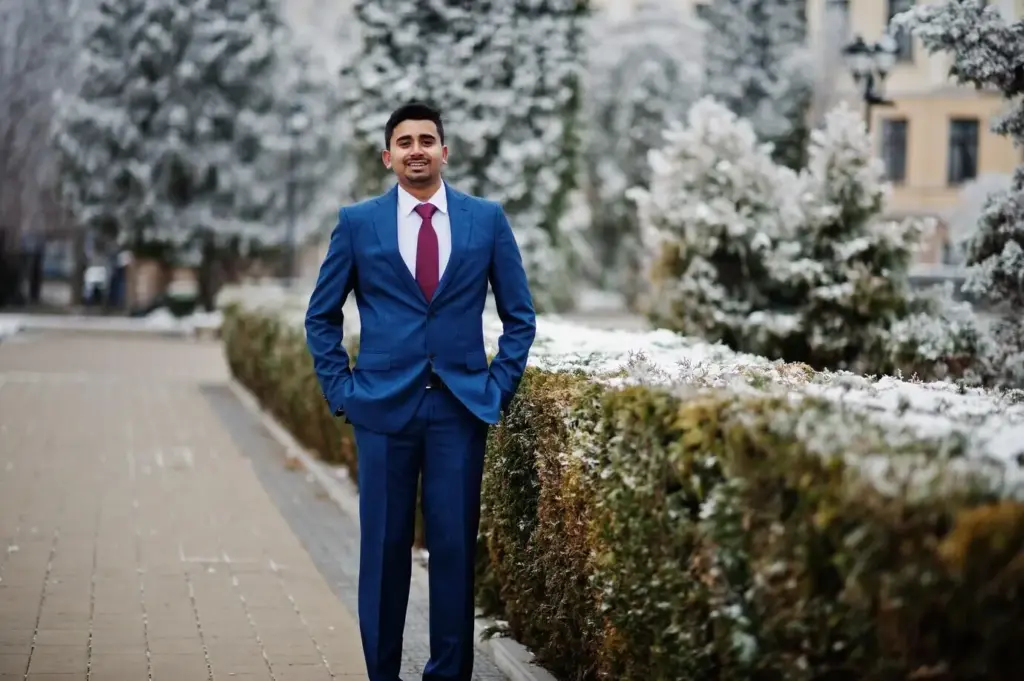
Choose patterns with scale and contrast that work in both sunscreen-bright sunlight and warm indoor glow. Micro-houndstooth reads solid from a distance, glen plaid balances character and decorum, and pinstripes lean formal without overpowering. Windowpanes can appear bold in summer yet elegant under winter layers when toned in navy or gray. Keep one patterned suit and mostly solid shirts, then introduce personality through ties and pocket squares. The camera rewards subtlety while real life rewards thoughtful flair.

Smart Layers for Sweltering Days

Start with a moisture-wicking undershirt, then a high-twist shirt that dries quickly, an unstructured jacket with minimal lining, and a breathable tie or none at all. No-show socks and micro-perforated leather shoes help circulate air. A hat can shield and finish the look. At a high-noon garden vow exchange, a hopsack blazer kept me composed while others wilted, and a light pocket square added polish. The lesson: air movement matters more than raw fabric weight alone.

Insulating Layers for Freezing Evenings

Build warmth using thin, technical base layers beneath a flannel suit, then add a merino waistcoat for torso insulation with minimal bulk. A tailored overcoat, cashmere scarf, and lined gloves complete refinement while blocking wind. Choose bemberg or cupro linings for glide over knitwear. During a riverside winter celebration, this combination let me toast outdoors without shivering or stiff shoulders. Prioritize mobility at elbows and knees so dancing, handshakes, and shuttles between venues remain effortless and elegant.

Modular Components You Can Mix

Elevate versatility with zip-in vest liners, removable throat latches, buttoned waistcoats, and packable, matte rain shells that slide under an overcoat. Select neutral accessories—charcoal scarf, dark brown belt, muted tie—that harmonize across suits. A detachable liner transformed my autumn blazer into a brisk-evening companion, then came out for a warm midday lunch. Modular planning turns one suit into many looks, simplifying travel and freeing mental space so you focus on celebrating, connecting, and enjoying the moment.

Summer Ease Without Sloppiness

A slightly higher trouser rise reduces waistband pressure in heat, while a roomier thigh and gentle taper avoid cling. Unpadded shoulders and lighter canvassing keep lines clean yet breathable. Side adjusters remove belt bulk, and half-lining encourages airflow. I once requested an extra half-inch through the thigh before a destination wedding; that tiny adjustment ended a lifetime of fidgeting. The silhouette stayed sharp, the fabric draped gracefully, and the photos looked intentional rather than windblown or overly casual.

Winter Ease for Knitwear and Underlayers

Plan for a fine-gauge merino or cashmere layer beneath your jacket by adding modest chest and sleeve ease. A touch of extra back length keeps knit hems covered, while a slightly deeper armhole preserves motion with base layers. Hem trousers to clear winter boots without puddling. Reinforced waistbands resist seasonal weight fluctuation. Seam allowances provide future flexibility, preventing urgent replacements. The result is comfort without bulk, maintaining strong lines and crisp posture through commutes, receptions, and late-night encores.

Alteration Strategy That Extends Lifespan

Ask your tailor for generous inlays at seat and waist, sleeves with enough cloth for seasonal shifts, and an unfinished hem policy to accommodate different shoes. Set a calendar reminder after three outings to reassess drape. Adjust button stance if your shirt collars or ties change. Keep notes on what worked for each event, then fine-tune. This intentional cycle stretches your investment, supports changing routines, and ensures your capsule evolves gracefully rather than reacting only when a problem appears.

Fit, Tailoring, and Comfort on the Move

Fit is your invisible superpower. In heat, ease prevents clinging; in cold, space welcomes knitwear without ballooning. Ask for breathable canvassing, clean armholes, and trousers that move with you. Insist on seam allowances for future alterations, because bodies and needs change. Test fit while sitting, standing, and dancing. Confident comfort photographs beautifully, reads as presence in a room, and keeps you focused on people rather than tugging at lapels or collapsing collars during heartfelt speeches and long nights.

Occasion Codes: From Garden Ceremonies to Black-Tie Galas

Dress codes exist to clarify expectations, not constrain personality. Understanding etiquette lets you express style while honoring hosts. Balance location, time of day, and climate with formality cues. In sunny gardens, lighter palettes and textures feel right; under chandeliers, depth and sheen prevail. Footwear finishes the message. Research regional norms, glance at previous event photos, and ask concise questions when invitations seem ambiguous. Preparation prevents last-minute panic and builds the effortless confidence that makes every entrance feel welcoming.

Reading Invitations and Social Cues

Decode keywords like cocktail, semi-formal, or black tie optional, then cross-check with venue, hour, and season. If unclear, a polite message to the host shows respect and avoids surprises. Consider transit and weather forecasts; bring a compact umbrella or scarf when appropriate. One couple’s invitation listed a clifftop ceremony with shuttle buses—formal attire, but windy and chilly. Guests who planned layers enjoyed every moment, while others shivered. Etiquette is empathy expressed through clothing, logistics, and kindness.

Footwear and Accessory Rules That Flex

Oxfords and wholecuts anchor formal nights, while loafers or derbies suit sunlit festivities. In winter, polished boots can look refined under a measured hem. Match leather tones thoughtfully, or use side adjusters to skip belts entirely. Ties in grenadine, satin, or wool knit bridge temperatures and moods, while pocket squares add texture without shouting. Jewelry should complement, not compete. When traveling, pack one dress shoe, one versatile loafer, and minimal accessories that harmonize across outfits, keeping luggage light and agile.

Cultural and Climate Considerations

Respect local customs and weather realities. Monsoon regions demand quick-drying fabrics and discreet rain shells; desert evenings drop temperatures fast, favoring layers; Nordic winters reward serious overcoats and grippy soles. Some communities embrace bold color; others value restrained elegance. Research before you pack, and ask friends who live there. Blend your identity with host expectations, then adapt. You will feel more welcome, move more comfortably, and avoid unfortunate mismatches that distract from the celebration’s meaning and shared joy.

Care, Storage, and Travel Packing That Protects Investment

Wardrobe longevity is a habit: brush after use, steam gently, rotate wear, and rest garments between events. Seasonal storage in breathable bags with cedar or lavender guards against moths and mustiness. Travel smarter with garment folders, shoe bags, and a compact steamer. Keep a small stain kit in your dopp. Note what combinations worked, then refine. The more intentional your routines, the fresher your capsule feels, extending value while keeping you ready for invitations that arrive with little warning.
Remexexinufoletize
Privacy Overview

This website uses cookies so that we can provide you with the best user experience possible. Cookie information is stored in your browser and performs functions such as recognising you when you return to our website and helping our team to understand which sections of the website you find most interesting and useful.